


Rotogravure-print Coffee Bags
Roto gravure-Printed Coffee Bags: Focusing on Core Advantages, Color Tracking Capabilities, and Applicability
In the coffee packaging field, gravure printing, with its unique technical characteristics, has become the preferred choice for many practitioners. The following focuses on gravure printing's core advantages, color tracking capabilities, customer suitability, and scope of application, precisely matching actual needs.
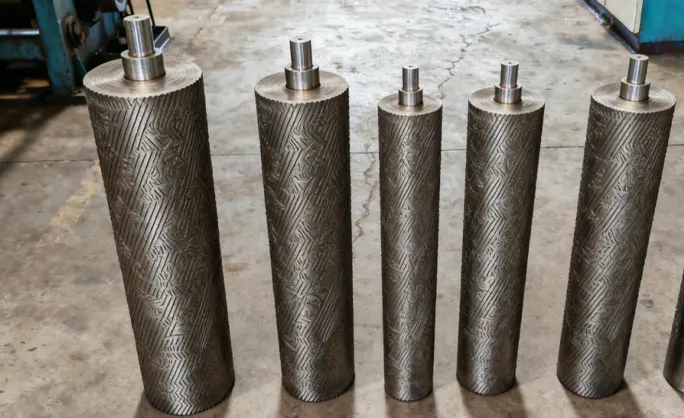
Roto gravure-Printed Coffee Bags: Three Core Advantages Address Cost and Quality Pain Points
Gravure printing's advantages perfectly meet the requirements of "mass production, long-term reuse, and stable quality" for coffee packaging, particularly in terms of cost control and visual presentation.
① Cost Advantage: Low unit price + free plate and roller storage, resulting in long-term cost savings and greater efficiency.
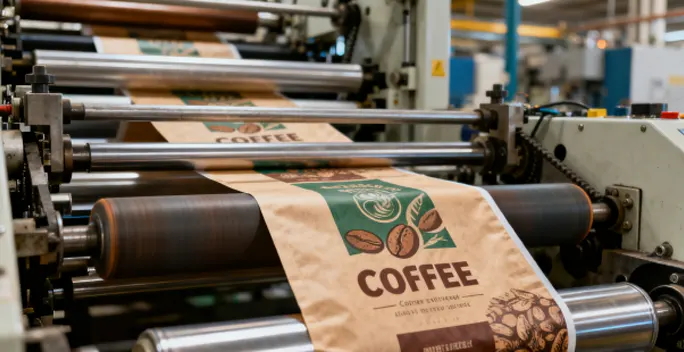
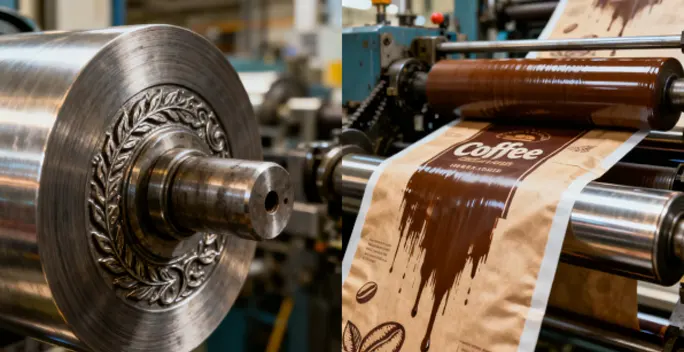
The unit price of gravure-printed coffee bags decreases significantly with increasing order volume. Bulk orders (e.g., over 10,000 pieces) are 30%-50% cheaper than digital printing, making it suitable for coffee companies requiring long-term replenishment. Crucially, the core component, the plate roller, is free for one year. Repurchases eliminate the need for re-production, allowing reuse of the original plate roller. This not only saves 20%-30% of initial platemaking costs but also shortens production cycles by 3-5 days, preventing packaging shortages during peak seasons.
② Material Compatibility: Compatible with multiple materials without sacrificing packaging functionality
Gravure printing is perfectly compatible with commonly used composite films (PET/PE), aluminum foil, and kraft paper composite films for coffee packaging. The ink adheres tightly during printing without compromising the barrier properties of the material (such as the anti-oxidation effect of aluminum foil and the breathability of kraft paper). The printed layer is also abrasion- and temperature-resistant, resisting wear and fading during transportation or refrigerated storage, ensuring both protection and display.
③ Design Advantage: Supports Complex Processes, Enabling Packaging Differentiation
To meet the personalized needs of coffee brands, gravure-printed coffee packaging bags can implement complex processes such as tactile inks (frosted texture) and spot hot stamping. For example, chain brands can add hot stamping to their logos, making the packaging more recognizable on shelf and increasing product premiums.
Roto gravure-Printed coffee packaging: Color tracking exceeds 90%, ensuring visual consistency
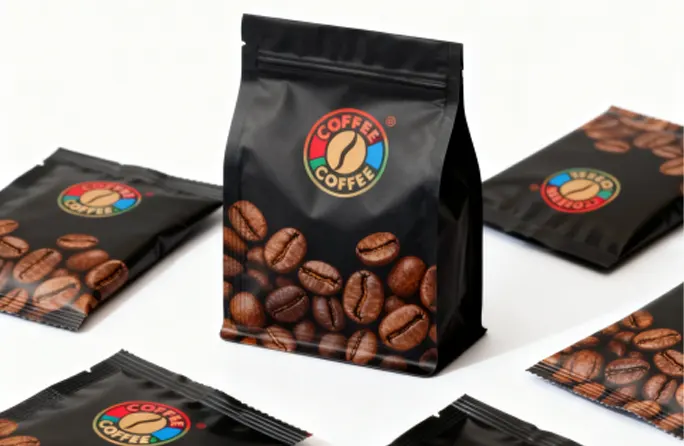
Color is the "brand symbol" of coffee packaging, such as Starbucks' green or the red of the Sumida River, and it must remain consistent over time. Gravure printing utilizes "physical etching roller" technology, with fixed groove depth and width, transferring the exact same amount of ink each time. This results in color reproduction exceeding 90%.
This precision means that regardless of order batches or production times, gravure-printed coffee packaging maintains minimal color variation. Consistent color across stores eliminates consumer concerns about product differences. For brands with strict visual standards, this also avoids rework due to color variations and strengthens brand coherence.
Roto gravure-Printed Coffee Packaging: Best Suited for Three Customer Types, Perfectly Matching Needs and Technology
Gravure printing's unique characteristics make it particularly suitable for coffee professionals with specific needs. The following three customer groups can maximize its value by choosing it:
Medium- to Large-Scale Coffee Brand Manufacturers
These companies have large order volumes (e.g., over 100,000 pieces per month) and frequent repeat purchases. Gravure printing's advantages of "volume cost reduction" and "plate and roller reuse" can significantly reduce costs. Furthermore, its color tracking capability of over 90% meets the packaging consistency requirements of stores nationwide, avoiding quality disputes within the supply chain.
Coffee Distributors
Distributors need to provide cost-effective packaging for downstream customers (convenience stores, small coffee shops). Gravure printing's low unit price improves pricing competitiveness, and its adaptability to multiple materials can meet the design needs of different customers (e.g., simple packaging for affordable coffee, high-end packaging for specialty coffee), reducing customer complaints due to packaging issues.
Chain Roasters
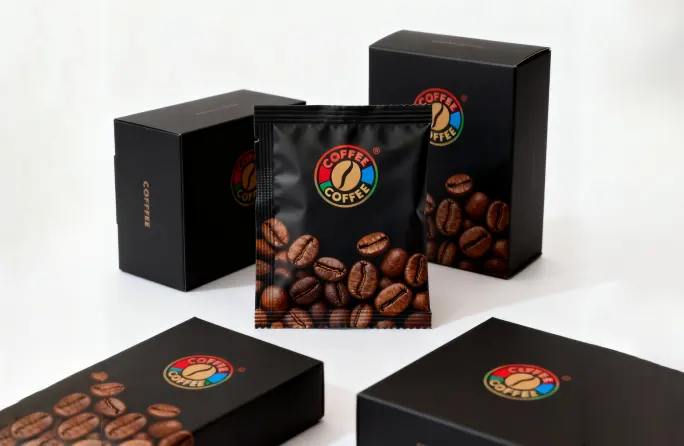
Roasters often sell coffee beans and drip coffee sets simultaneously, necessitating a unified brand visual. Gravure-printed coffee bags can share the same printing standards as sachet and paper boxes, strengthening consumer memory through consistent brand colors and logos. Furthermore, rolls of seasonal packaging (such as Spring Festival limited editions) can be stored free of charge for reuse next year, further reducing costs.
Roto gravure-Printed Coffee Packaging: Dos and Don'ts, Avoiding Decision-Making Mistakes
A clear understanding of gravure printing's application scope is key to avoiding costly technology mismatches or quality issues. The following detailed analysis of gravure printing's application scope, based on practical coffee packaging scenarios and considerations, will help practitioners make more informed choices.
1. Large-Volume Regular Orders (5,000 or More Per Order)
When the volume of coffee packaging bags reaches 5,000 or more, gravure printing's advantages in allocating platemaking costs begin to emerge. While gravure printing requires a certain initial platemaking cost (typically 1,000-3,000 RMB, depending on the complexity of the design), by the time the order volume reaches 5,000 pieces, the platemaking cost per package is only 0.2-0.6 RMB. For an order of 10,000 pieces, the amortized cost drops to 0.1-0.3 RMB, significantly narrowing the gap with digital printing's "no platemaking cost." The unit price advantage (30%-50% lower than digital printing) is even more significant.
This type of order is common in regular packaging purchases by medium- to large-scale coffee brands, distributors stocking up for downstream customers, and chain roasters meeting their monthly packaging needs.
2. Fixed Packaging, Long-Term Repurchase
For coffee packaging that requires a consistent design over time, the "free plate roller storage" service offered by gravure printing can minimize long-term costs while improving repurchase efficiency. The core features of this type of packaging are its fixed design and stable repurchase cycle. The repurchase cycle can be monthly or quarterly, and as long as the repurchase interval is within one year, the old plate roller can be reused.
A real-world example is a specialty coffee brand whose "Estate Series" coffee bean bags use a fixed design and are repurchased every two months. By adopting gravure printing, they save 2,000 yuan in plate production fees per repurchase, for a total annual savings of 12,000 yuan. Furthermore, the production cycle for repurchase orders has been shortened from 30 days to 25 days, enabling a quick response even to unexpected increases in order volume.
3. High-quality packaging that integrates multiple materials and complex processes
Coffee packaging must not only meet practical needs but also convey brand positioning through its materials and processes. High-end specialty coffees may opt for hot-stamped aluminum foil laminates, while coffees promoting a "natural" concept may choose kraft paper with tactile inks. Gravure printing perfectly meets these complex requirements without compromising the packaging's core functionality.
In addition to common materials such as PET/PE laminates, aluminum foil, and kraft paper, gravure printing is also compatible with new materials such as "special barrier films" and "biodegradable films." For example, an environmentally conscious coffee brand uses biodegradable laminates in its packaging. By adjusting the gravure ink type, they ensure image clarity while maintaining the material's degradation properties, thus aligning with the brand's environmentally friendly positioning.
In terms of process integration, gravure printing can be combined with multiple processes to create packaging with a more refined and textured feel. For example, the logo on the coffee bean bag uses a combination of hot-stamped silver and tactile ink, creating a metallic luster with a delicate matte finish. The product instructions on the back of the packaging use a "spot UV" process to enhance readability and improve wear resistance.
Avoid Small Runs, Urgent Needs, and Frequent Design Changes
While gravure printing offers significant advantages, its technical characteristics can become a drawback in the following scenarios, making alternative printing methods (such as digital printing) more suitable:
1. Small Trial Run Orders (order quantity <1,000 pieces)
Small trial runs are often used for new product testing (e.g., launching a new coffee flavor or testing a new packaging design). The core requirements for these orders are low cost and fast turnaround time, and the platemaking costs of gravure printing can be a major burden.
Furthermore, small trial runs may involve design adjustments. If feedback from trial runs indicates a need for packaging design changes (e.g., logo repositioning or color changes), gravure printing's plate rollers cannot be modified, requiring re-platemaking, further increasing costs. Digital printing, on the other hand, allows for design adjustments directly within the system without additional costs. Therefore, digital printing is a more suitable option for small trial runs.
2. Urgent Orders with Ultra-Short Turnarounds (Lead Time < 20 Days)
Urgent orders often arise from unexpected demand, such as last-minute team-building orders from large companies or urgent stock replenishment for offline events. The core requirement for these orders is fast delivery, which gravure printing's platemaking cycle (5-7 days for the first platemaking) cannot meet. Even for repeat orders, if there's a material change (e.g., originally using MOPP but now using kraft paper), adjustments to the plate roller parameters are required, adding an additional 2-3 days to the lead time.
3. Limited Edition Packaging with Frequent Design Changes
For limited edition packaging with monthly design changes, the cumulative platemaking costs and plate roller storage pressure of gravure printing become major issues. The design life of this type of packaging is typically only one to two months, with reorders often exceeding a year (or even non-reorders). The free plate roller storage service is ineffective, and instead, platemaking fees must be paid for each new design.
Build your bag and get a quote
Build your bag and get a quote